
Learn to Play by Facebook’s Changing Rules
Why news feed changes led to Facebook’s lower organic reach
In early December Facebook confirmed a change to its News Feed algorithm that will lead to lower organic reach for posts by pages. This move has invited criticism from page administrators, who saw their posts go from reaching about 16% of users who like their pages to between 2% and 3%.
So, a year ago a brand could expect to reach 16 out of 100 fans and now that brand is lucky if they get 3 out of 100. Chilling news for brand pages who have invested resources to “build” a large following of fans.
According to news reports, Facebook’s tweak wasn’t actually aimed at showing “higher-quality content” in the News Feed but bringing down the reach of brands that had pages on Facebook. These pages acted as free ads for the brands and are maintained by social media marketing companies. The tweaking effectively meant that brands wanting exposure will have to buy ads to make up for the lost reach.
Facebook has indicated these changes are to highlight more high quality content from publishers, which is extremely admirable and appreciated.
In its announcement, Facebook said:
“People use Facebook to share and connect, including staying current on the latest news, whether it’s about their favorite celebrity or what’s happening in the world. We’ve noticed that people enjoy seeing articles on Facebook, and so we’re now paying closer attention to what makes for high quality content, and how often articles are clicked on from News Feed on mobile. What this means is that you may start to notice links to articles a little more often (particularly on mobile).”
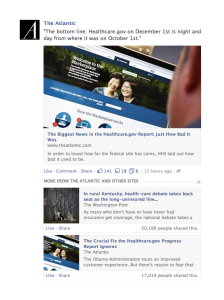
Back in August 2013 Facebook offered insight into how they calculate high quality content. They said the system uses over 1,000 different factors to determine quality, such as: Is the content from a source you would trust (since they “liked” the page I would hope so), would you complain about seeing the post in your feed, and is the post low quality or a meme?
Now, part of the recommended practices is sharing the posts that people would want to share with friends. Without knowing how much each factor is weighed when determining reach, it could be the lack of our share-ability that is having a major effect on our visibility.
Facebook’s algorithm uses a number of factors to establish which posts should be shown to users. Previously called EdgeRank, the algorithm now has more than 1,000 contributing factors, but it still focuses on three main influences: affinity, weight, and time decay.
“Affinity” is defined as a user’s relationship with the person or page that created the specific Facebook object—essentially, how much the user interacts with that person or page. Affinity is built by repeat interactions with a brand. Actions such as commenting, “liking,” sharing, clicking, and even messaging can influence a user’s affinity.
“Weight” is determined by the object type. For instance, whether it’s a photo, video, or link. Commenting is more involved and therefore deemed more valuable than a “like.” In the weighting system, comments would have a higher value than a “like.”
“Time decay” refers to how long the Edge has been alive. The older it is, the less valuable it is. An Edge is basically everything that “happens” in Facebook. Examples of Edges would be status updates, comments, likes, and shares.
Facebook has indicated that what people see is unique and individual to their own habits. So if a person engages with a lot of photos, they’ll see more photos in their News Feed. Conversely, if you’re not a big engager with photos, you’ll see less of them.
Learn to Play by Facebook’s Changing Rules
As Facebook continues to fine tune their algorithm to give people what they want, it’s clear you’ll need to focus not so much on what you think is important, but what you think people will “like.”
Create amazing content. Think about your audience and what they will find value in. Create content that entertains, informs, or otherwise engages your audience. This is a critical piece in boosting engagement and visibility on Facebook.
Your content should have a timely, specific, meaningful message that is location-appropriate. Most importantly, you should use an image that is not only inviting but also particularly relevant. If you are going to inject yourself into a conversation, make your interruption worthwhile. Keep it simple.
Advertising on Facebook will be necessary to boost visibility on posts, attract more fans, and increase engagement. Clearly, Facebook is using these updates to also push page admins into buying Facebook advertising to increase page visibility. This will be a pain point for many marketers, but we can no longer think of Facebook as a free advertising platform.
Focus on building a core group of supporters. The more engaged your audience is, the more visibility you will gain.
Add Open Graph Protocol to your website. The Open Graph Protocol enables any web page to become a rich object in a social graph. For instance, this is used on Facebook to allow any web page to have the same functionality as any other object on Facebook.
Check your website, or blog here https://developers.facebook.com/tools/debug
Use #hashtags, as key words, no more then 2 per post
Use different types of posts- images, videos, links.
Facebook probably won’t be going back to the Golden Era of high reach and engagement rates ever again. But if you change your mindset and focus on building high quality content, then it really shouldn’t matter so much.